
Orange Block Lookup Sources
A block lookup is a parcel and record exercise. Each source below shows a different part of the area around an Orange address. The table leads with access and limits so a map result is not mistaken for a list of current households.
| Source | What It Shows About a Block | Access |
|---|---|---|
| OC Interactive Map | Parcel layout, APNs, street relationships, available layers | Free map browsing |
| Assessor secured search | Assessment owner or assessee, situs, mailing distinction, values | Individual address or APN search |
| Tax search | Parcel-linked bill, amount, status, mailing context | Free TCWeb search |
| City permits | Construction or code history at a nearby address and named project parties | Post-1989 online; older request |
| Voter data | Nearby registration information only through approved statutory purpose | Application, payment, and controlled file |
| Reverse directory | Historic listed occupants by street number | History Center collection request |
| Council and commission records | Project applicants, speakers, and neighborhood issues | City archive and public notices |
An owner record is not a resident roll. A permit participant is not automatically a neighbor. A public meeting speaker is not necessarily a nearby owner. Those distinctions make block research more accurate.
Mapping an Orange Neighbor Block
Use one target address as the map anchor. The adjacent-parcel method below follows the current OC Public Works viewer and then carries each APN into the county record systems.
- Search the target address in the OC Interactive Map and zoom until parcel outlines and labels are visible.
- Click the target polygon and record its APN, situs, and any linked layer or property detail.
- Click each polygon sharing a boundary and each parcel directly across the street, keeping the APNs in separate notes.
- Run each APN through the Assessor secured-property search and use TCWeb only for tax questions.
- Compare the map set with permits, historic directories, or community records without calling it a block resident list.
A radius is geographic, not social. Across the street can be a different service or planning context. The map is a discovery aid, not a survey, title opinion, or proof of who lives at a parcel.
Map layers and controls can change behind the scripted viewer. Date the capture, preserve the address used, and save the APN rather than relying on a screenshot alone.
Orange Neighbor Parcels and APNs
The APN is the cleanest way to move from a map polygon to a county assessment record. Search the Orange County Assessor by street number and name or by APN. The result can show situs, assessment ownership or assessee display, mailing information where public, values, and characteristics. It does not identify every neighbor or prove occupancy.
Keep a separate line for each parcel. Do not merge an owner’s mailing address with the physical parcel, and do not infer that parcels with the same mailing destination form one household. A parcel split or merger can also change the APN while the block remains visually familiar.
- APN
- Assessor’s parcel number, a formatted key for the tax parcel.
- Situs
- The physical location assigned to the parcel.
- Mailing address
- The destination for assessment or tax notices, which may be elsewhere.
- Adjacent parcel
- A parcel that shares a boundary or sits across the street in the map view.
The Orange County tax search adds bill and status context. Deeds, rather than the assessor, remain the authority for a recorded ownership chain.
Orange Neighbor Permit History
City property and permit history is online for structures built after 1989. Earlier files require a public-record request through the City Clerk. A permit may name an applicant, contractor, architect, owner, or project contact. It can establish that work was proposed or recorded at an address, but it does not show a full list of Orange neighbors.
For older blocks, request an existing record with the address, APN, date span, and desired class, such as permit application, plan index, certificate of occupancy, inspection card, or code case. The city’s ten-day CPRA determination is not a promise that production is complete within ten days. Ask for electronic copies where available.
The City of Orange public-records page is the starting channel. Historic-preservation resources can add Old Towne surveys, nomination material, architects, owners, and development context.
Orange Voter Data Cannot Browse Neighbors
OC Vote’s self-service lookup lets a voter see personal registration status, ballot status, and history. It does not let the general public enter a block and receive nearby voters. Elections Code section 2194 limits permitted purposes, prohibits commercial use, and controls the voter-file channel. Government Code section 7924.000 protects home-address data, signatures, and specified identifiers.
The only plausible block-level voter source is a controlled data application. The Registrar requires requester and organization details, a qualifying purpose, product or geography, delivery method, signature, payment, and supporting identification for a mailed request. Even an approved file is not permission to republish a neighborhood directory.
The official voter-data application information shows the boundary between a personal lookup and a controlled file.
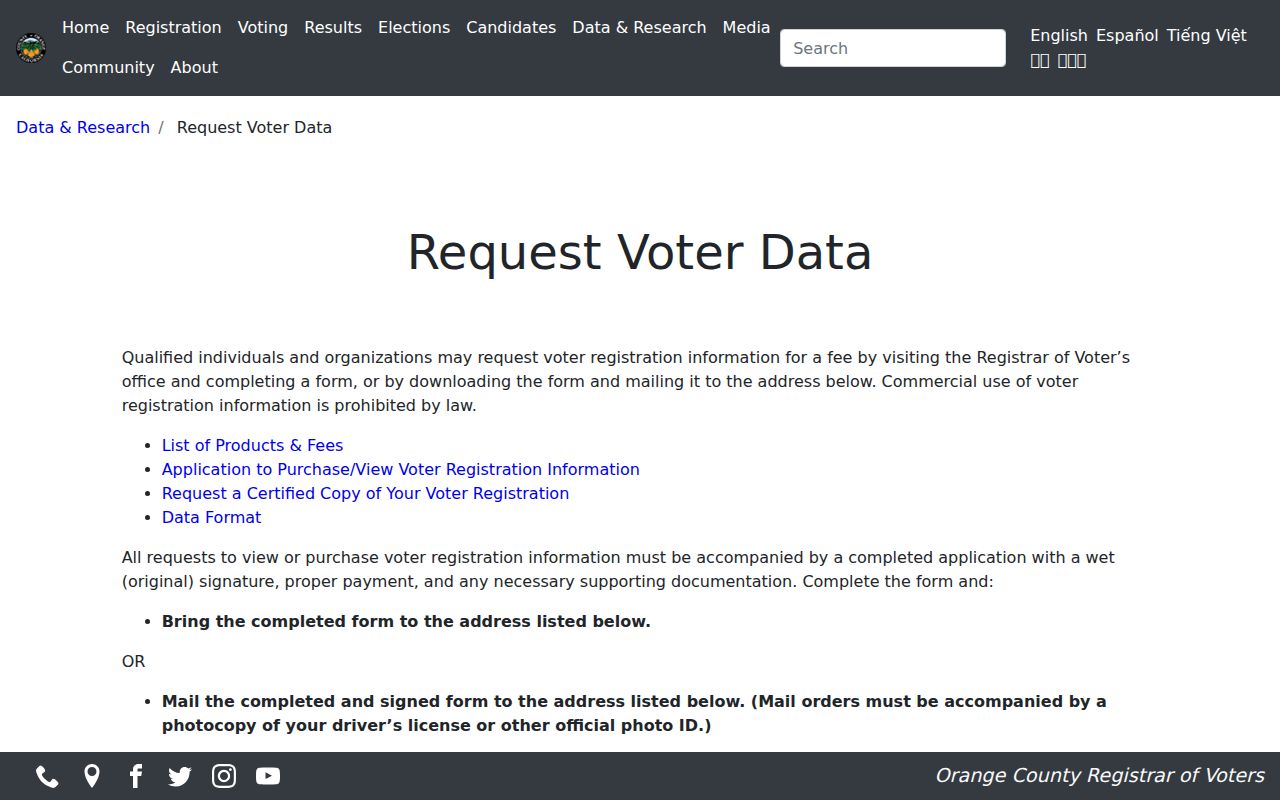
Voter data can be used only for the purpose and handling rules the elections office approves. It cannot supply a general list of Orange neighbors.
Orange Neighborhood Groups
The community layer is different from the parcel layer. City boards and commissions, public-hearing notices, planning records, and historic-preservation pages can show neighborhood issues, applicants, and public contacts. Old Towne Preservation Association is a prominent non-government community organization. The research did not locate an official comprehensive inventory of Orange neighborhood associations or a verified public member directory.
Associations and HOAs may publish officers, meeting notices, or a public contact address. That is not the same as a member roster. Use a group’s own public contact channel and ask what records are available. Do not infer membership from a parcel, a meeting comment, or a street address.
For place history, the Orange historic-preservation page and the History Center can add building and neighborhood context without exposing private household facts.
Historic Orange Neighbors by Number
Reverse or criss-cross directories can show who was listed at nearby street numbers in a past publication year. Ask the History Center for the exact Orange volume, publisher, year, street section, and abbreviation key. Read adjacent numbers together because they can reveal a numbering shift, apartment convention, subdivision name, or street spelling.
Pair a historical block with the 1900-1934 tax rolls, released census schedules, deeds, newspapers, and photographs. A directory entry is a listing for its canvass year. A tax roll is assessed property evidence. A census is a decennial household snapshot. Their differences can explain a move or a missing line.
The Orange local-history repository offers text, image, video, and geographic search. Geo Search can be useful when a block is known but a surname is not.
Orange Official Neighbor Records
Official records and compiled-data tools answer different questions. An official portal is still limited to the source record it holds. A compiled tool may join public records and purchased data, infer relationships, or carry stale matches. Use either category with a clear purpose and verify important claims with the custodian.
| Feature | Official source | Compiled-data tool |
|---|---|---|
| Origin | County, city, court, state, or archive record | Mixed records and purchased data |
| Best use | Confirm a defined parcel, filing, case, license, or historical item | Generate an unverified lead |
| Common weakness | Coverage gaps, access limits, and source-specific fields | Stale, merged, or inferred identities |
| Correction | Ask the custodian that created the record | Use the publisher’s privacy or deletion channel |
If an identity or fraud problem arises, use the FTC fraud reporting channel or the official IdentityTheft.gov recovery path. Independent typing of an agency domain helps avoid a private solicitation that imitates a government seal.
The federal court screenshot below is a reminder that even official tools must be matched to the right jurisdiction. Federal cases for Orange use the Central District of California and PACER.
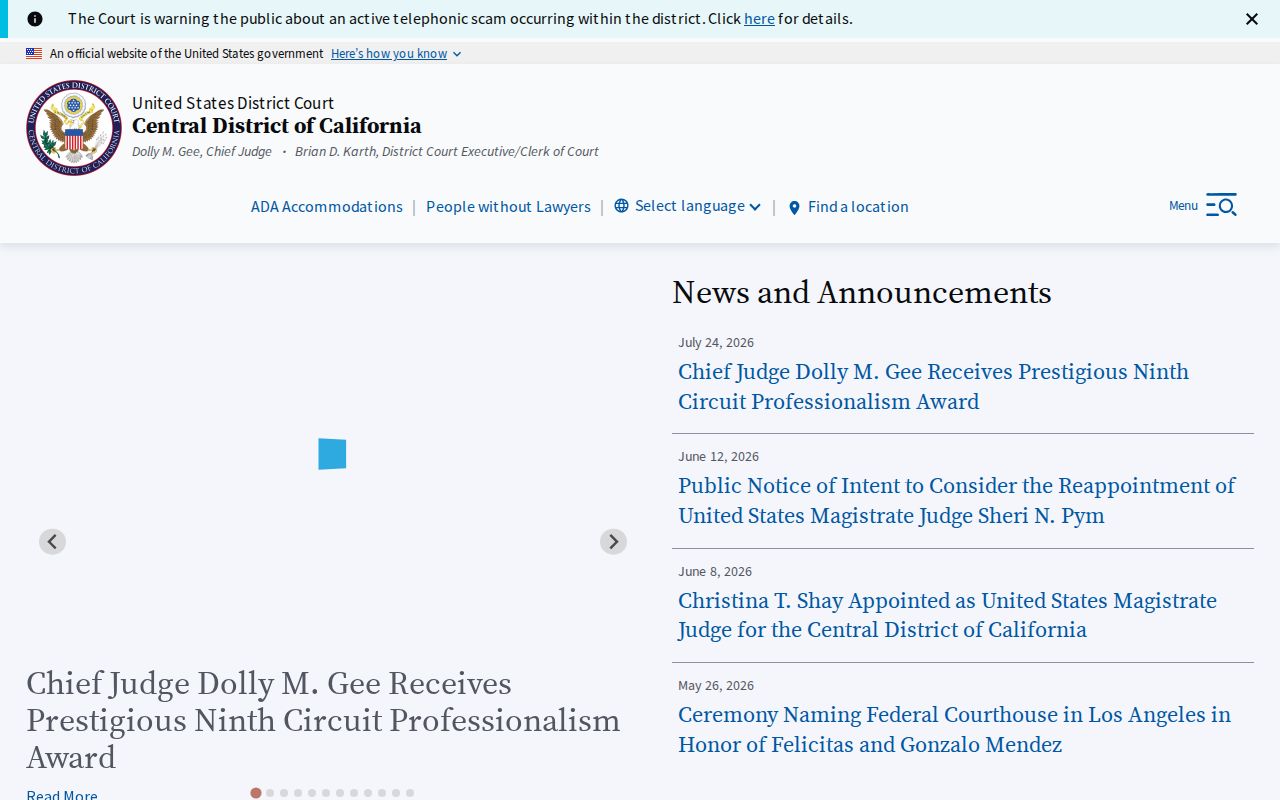
A court portal can verify a case relationship. It does not reveal the private makeup of a block.
Orange Neighbor Record Scam Checks
Property-fraud mailers, fake government notices, jury-duty calls, unclaimed-property impostors, and obituary-based family scams can use a real address or name to appear credible. Verify the office domain by typing it independently, compare the official fee, call the published number, and refuse gift cards, crypto, wires, or urgent payment demands.
The California Attorney General consumer complaint channel is the state route for a business complaint. Use the FTC report form for federal fraud reporting and preserve the listing, date, URL, and confirmation number.
The FTC fraud-reporting screen below is a safe starting point when a compiled neighbor claim or private solicitation looks suspicious.
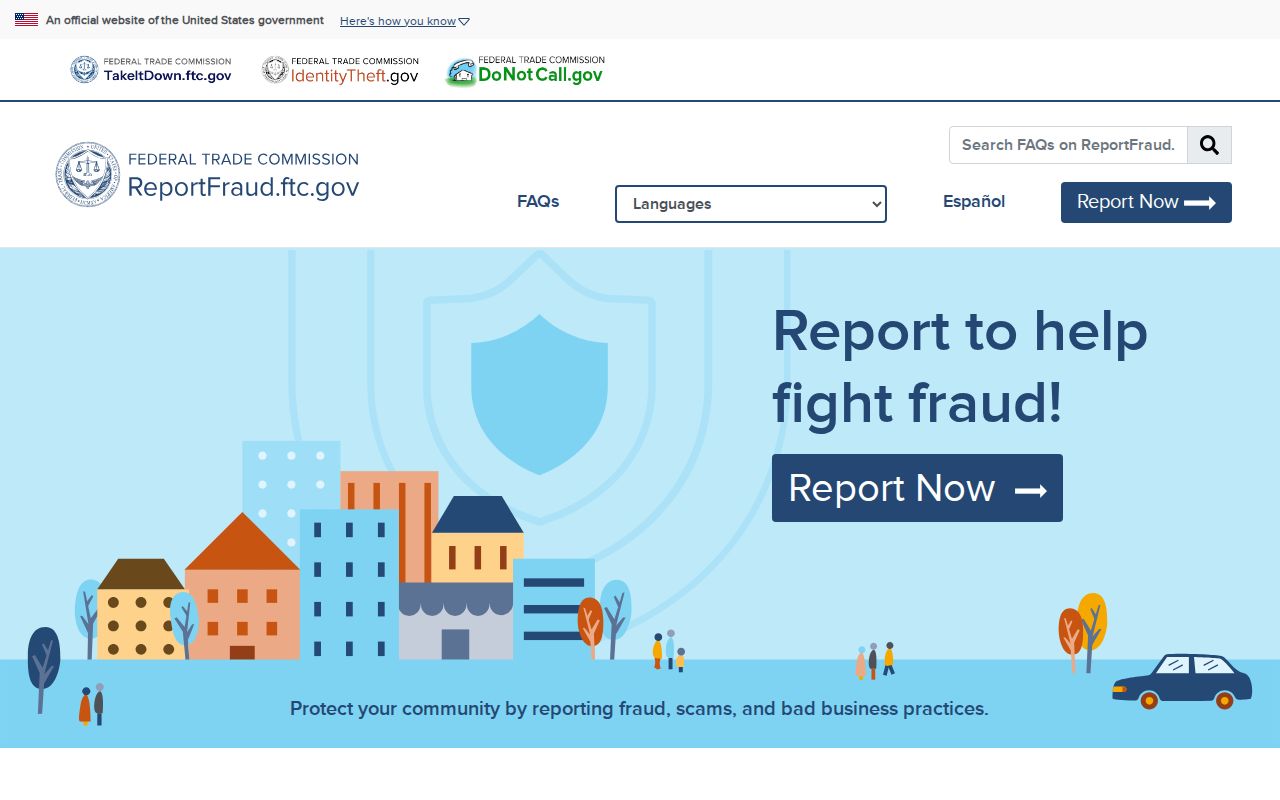
A report does not validate the underlying address claim. It creates a record of the suspected fraud.
For identity misuse, the federal identity recovery resource explains a separate response path.
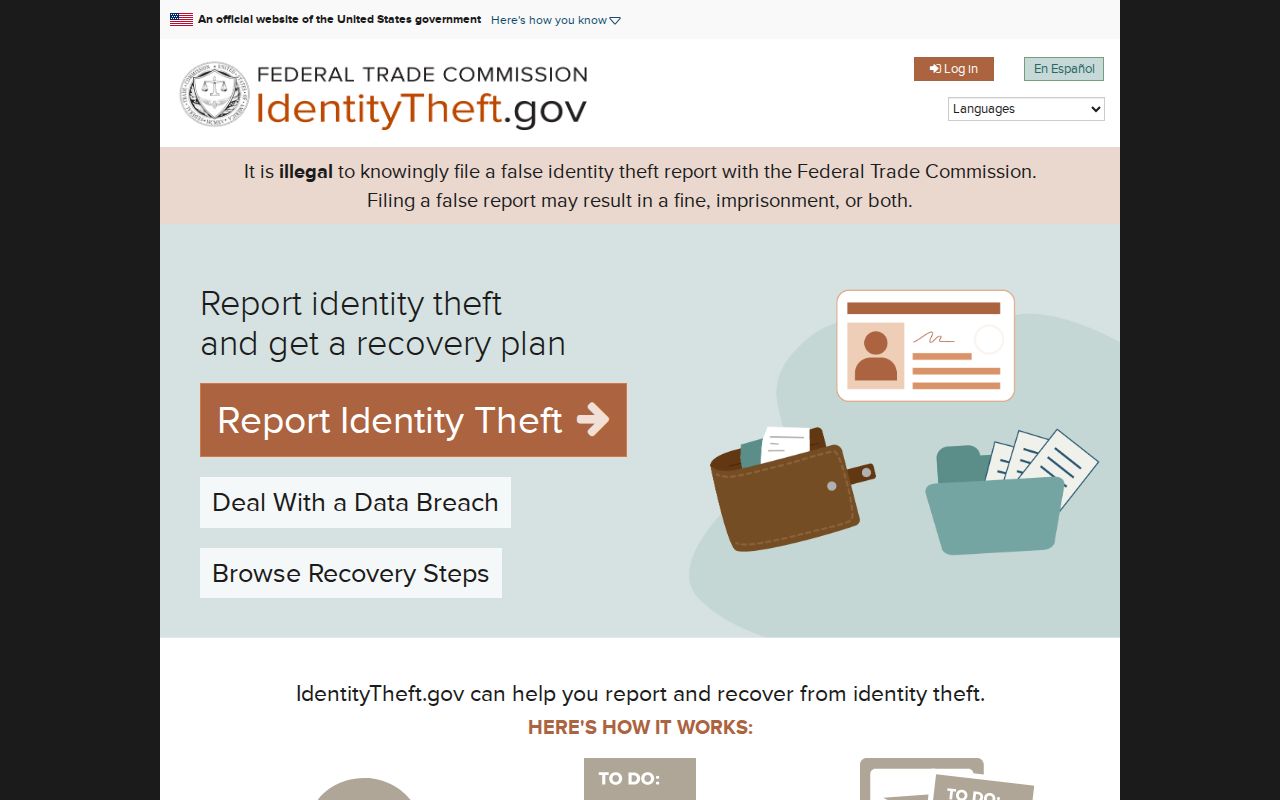
Keep personal documents and verification data limited to the official recovery channel.
The California complaint form is another route when the concern involves a business solicitation operating in the state.
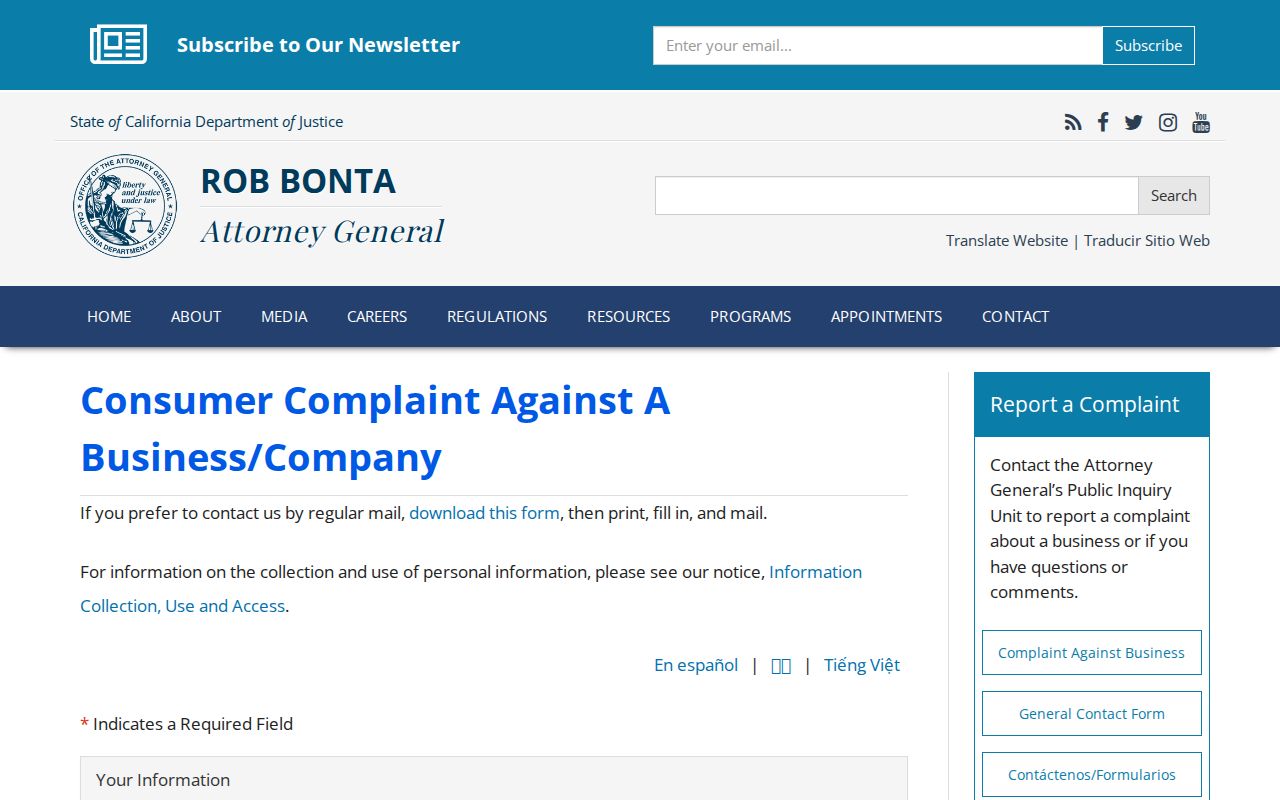
Use the complaint number and source evidence when following up. Do not confront a person at an address based on a compiled claim.
Privacy Limits on Orange Neighbors
Private block facts include household composition, children, visitors, utility accounts, delivery records, protected voters, and Safe at Home addresses. DMV residence data is restricted under the federal Driver’s Privacy Protection Act. A public parcel record cannot fill those gaps, and a public meeting or permit record cannot prove that a named person lives nearby.
Lawful personal use. Orange neighbor research is for civic understanding, property history, family history, and personal safety. Never use a map or record to stalk, threaten, harass, intimidate, or harm another person.
When a result is wrong or sensitive, go to the source custodian. Ask the assessor about assessment data, the city about permits, the elections office about voter records, and the group or archive about its own public material. A search tool cannot broaden an access rule.